- TITLE
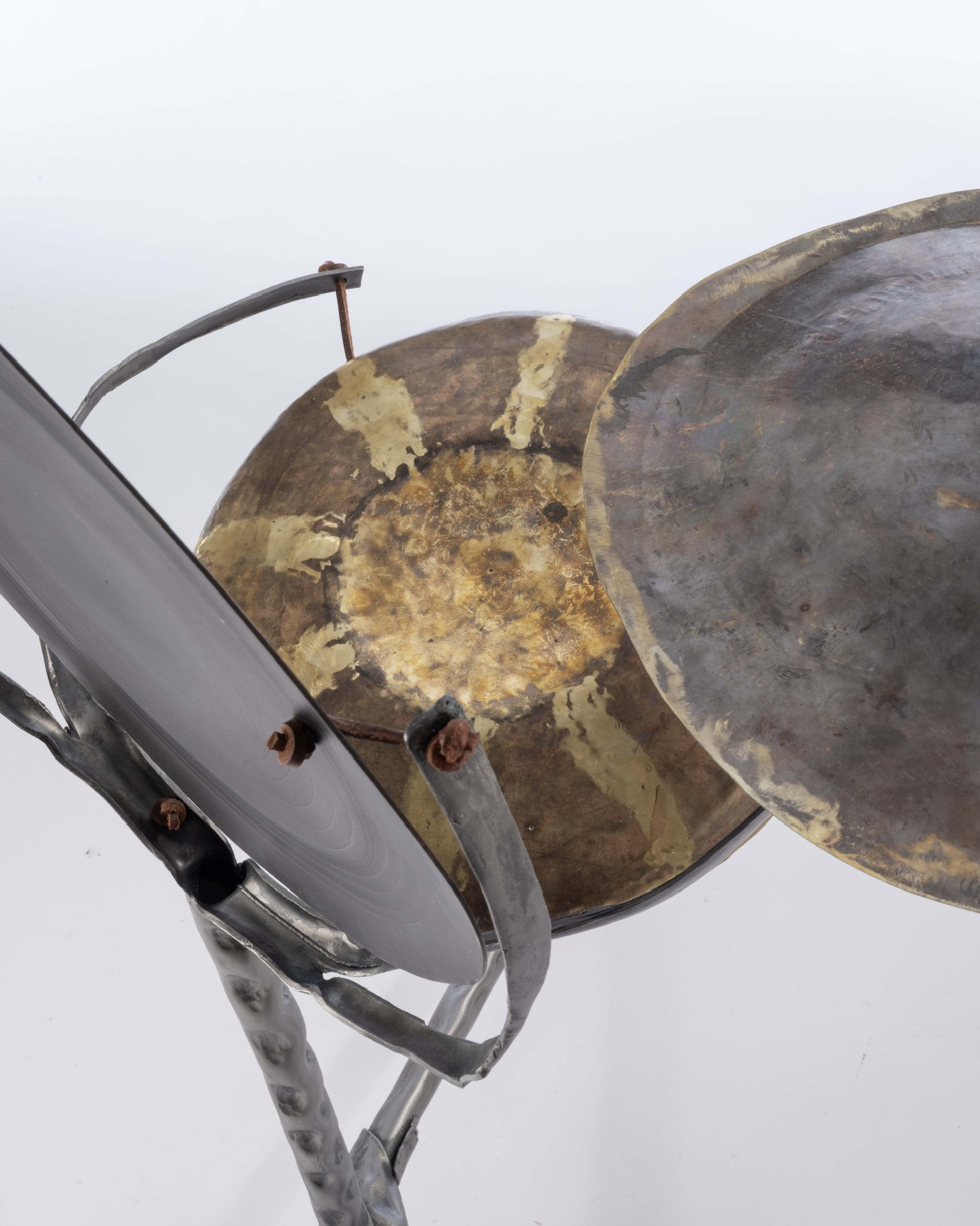
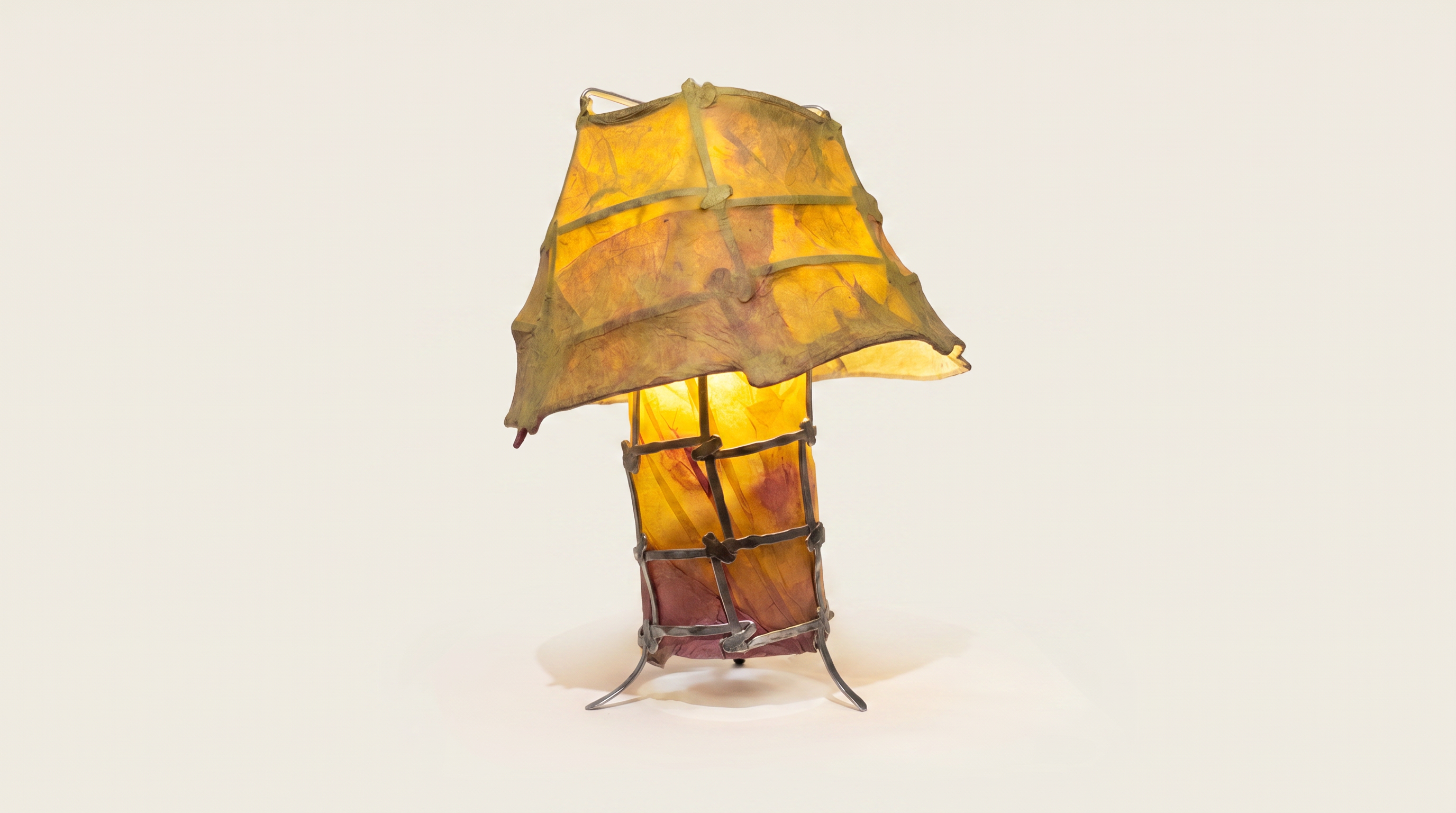
- Copper Cacao Set
- YEAR
- 2026
- MATERIALS
- metal, copper, wood
- AVAILABILITY
- Available by Inquiry
Elseware is a project that responds to the transformation of cacao preparation by proposing objects that privilege participation over optimization and ritual over routine. It reimagines the preparation and sharing of cacao as an opportunity to restore gathering, memory, and care within systems that increasingly value efficiency above all else.
— ON THE WORK
Since we’ve roamed these lands, objects have been separated from the rituals that birthed them. Contained in vases, cups, utensils, and recipes, vestiges of a culture’s values travel elsewhere. Out of place and in the hands of new people, they are reshaped by local customs, familiar flavors, available materials and technologies, and systems of class and power.
One example is cacao. In the 19th century, alcohol consumption during work was prohibited by the Temperance Movement and was often replaced by hot chocolate. Yet long before it became a workplace beverage, cacao had been prepared and consumed ceremonially for over 3,500 years. First cultivated by the Olmecs and later adopted by the Maya and Aztecs, it was believed to nourish both body and spirit. Carefully frothed, served in particular ways during wedding rituals, and valued enough to be used as currency, its preparation demanded a kind of labor that privileged repetition, presence, and shared experience over efficiency and output.
Taken elsewhere by the English, processed at high temperatures and mixed with sugar and milk to suit European tastes, cacao lost many of its nutritional qualities and gradually became commonplace among the elite, before industrialization made it accessible to the working class. As agrarian societies gave way to urban labor, cacao was transformed into an invigorating, calorie-dense drink that fueled workers during their breaks and children before school. The rituals that once encouraged pause, reflection, and appreciation gave way to routines that served productivity. Cacao shed the cultural values embedded by the people who first cultivated it, retaining only the utilitarian remnants of its past.
Elseware responds to this transformation by proposing objects that privilege participation over optimization and ritual over routine. It reimagines the preparation and sharing of cacao as an opportunity to restore gathering, memory, and care within systems that increasingly value efficiency above all else.